Bauchi Measles-Rubella Campaign
Mothers and caregivers of children under 5 in peri-urban Bauchi who delayed routine vaccinations due to safety concerns amplified by community rumors.
Mothers and caregivers of children under 5 in peri-urban Bauchi who delayed routine vaccinations due to safety concerns amplified by community rumors.
Bring children under 5 to the local clinic for the routine MR vaccine within the campaign window, despite circulating rumors about side effects.
The Bauchi measles-rubella campaign started with a problem familiar to anyone working in Nigerian public health: vaccination rates were stalling despite available supply, and the gap was driven not by access but by confidence.
In peri-urban areas of Bauchi State, mothers of children under 5 were delaying routine vaccinations. The reasons were specific and local: a persistent rumor that vaccines caused fever and illness in children, amplified through WhatsApp voice notes and market-day conversations. The state health office had tried radio campaigns, but listenership data showed their target audience — women aged 20-35 — had largely migrated to mobile video platforms.
The campaign team made three deliberate choices that shaped everything downstream:
1. TikTok and YouTube, not Facebook. Despite the state health office having 50,000 Facebook followers, organic reach had collapsed to under 2%. TikTok, on the other hand, was showing 15-20% organic reach for health content in Hausa. The team invested zero budget in Facebook.
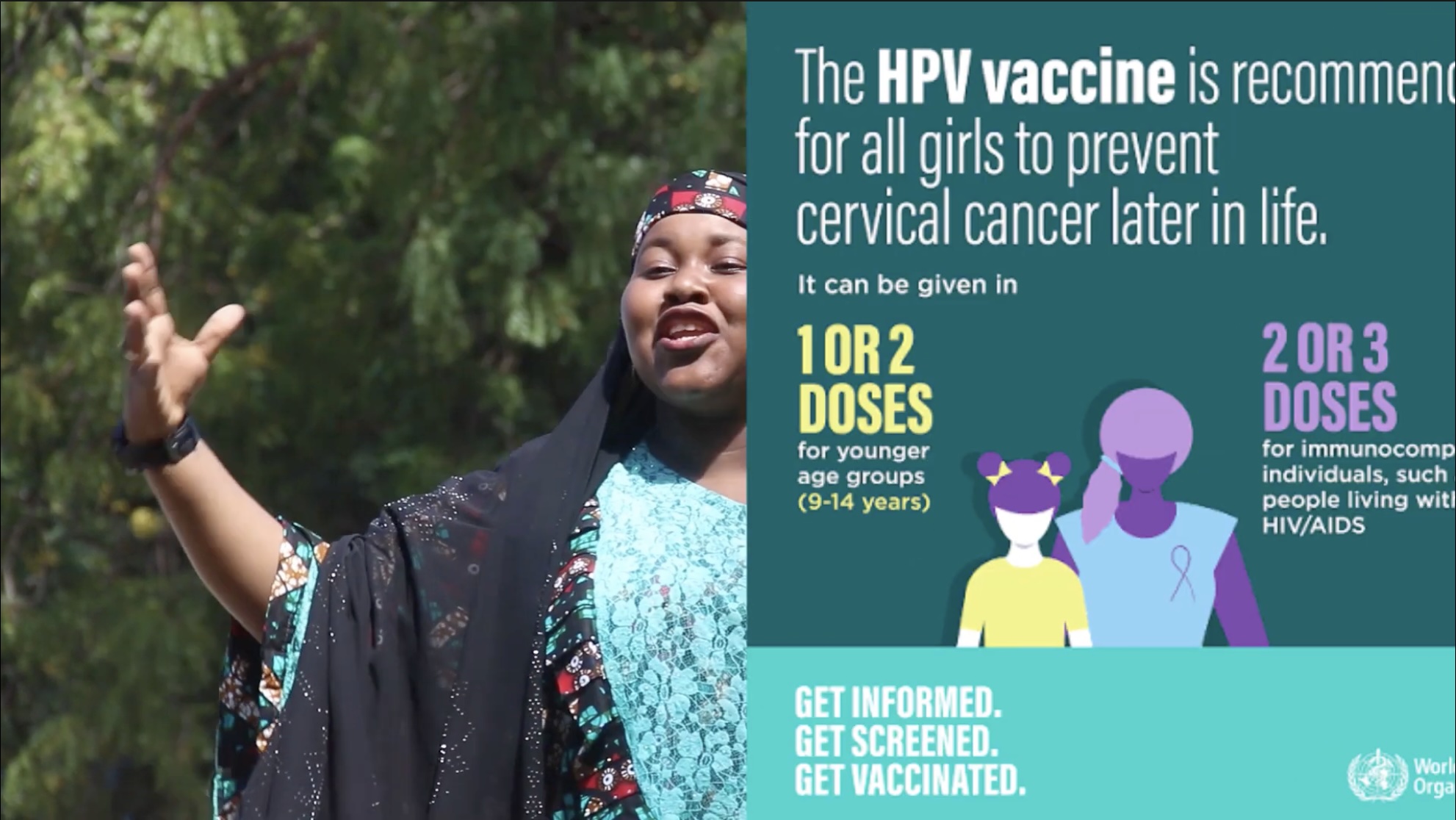
2. Community health workers as talent. Rather than hiring professional influencers, the campaign filmed CHWs from the same communities as the target audience. Viewers recognized them — in some cases, these were the same people who had administered vaccines at their local clinic. Trust was immediate.
3. Front-loaded messaging in local Hausa dialect. Every video opened with the core message in the first 2-3 seconds, before the viewer could scroll away. And the team used Bauchi Hausa rather than standard Hausa, which tested 3x better in early A/B comparisons.
Over 6 weeks, 12 TikTok videos generated 2.4 million views. The cost per view, including production, was $0.003 — roughly 10x cheaper than the equivalent radio campaign.
More importantly, LGA-level vaccination data showed an 18% increase in MR vaccine uptake in campaign areas compared to control areas. This was a proxy measure, not a controlled trial, but the signal was strong enough to inform the next campaign cycle.
The most unexpected success came from WhatsApp community groups set up alongside the video campaign. When skeptical commenters on TikTok raised concerns, community managers invited them into Hausa-language WhatsApp groups where CHWs could answer questions directly. Several participants who joined as skeptics later brought their children to clinics — a conversion pathway the team hadn't planned for but documented carefully.
This campaign reinforced several principles that shape how we think about social media for public health: local talent outperforms professional production, the first 3 seconds are everything, and Facebook's organic reach is no longer a viable primary channel for reaching young mothers in Sub-Saharan Africa. The WhatsApp layer suggests that video campaigns should plan for a real-time engagement channel from the start, not as an afterthought.
The handful of videos that drove the bulk of the result. Pay attention to which formats earned watch-time.
A 6-week social media campaign centered on TikTok and YouTube, using community health workers as on-camera talent. Peer testimonial format with front-loaded messaging in Hausa. Supported by WhatsApp community groups for real-time Q&A.
Bauchi State Primary Health Care Development Agency, UNICEF Nigeria
Gavi, the Vaccine Alliance
“Viewers recognized the talent from clinic visits. Trust was immediate — and the cost of building it was zero.”
Sample tiles shown — production thumbnails and embeds will be added as campaign teams share assets.
